5-Amino-1Mq Peptide What are the side effects of 5 Amino 1MQ?
What Are the Side Effects of 5 Amino 1MQ? A Cautious Consumer Review for Women 45–54
Introduction
If you’ve been typing “what are the side effects of 5 Amino 1MQ?” into Google, you’re probably looking for something very specific: a realistic, caution-first answer about tolerability and what could go wrong. Around the ages of 45–54, many women are more focused on how supplements fit into existing routines—taking medications, managing stress and sleep, and noticing how their bodies respond to new inputs. That’s also why 5 Amino 1MQ gets attention: it’s frequently marketed as something people can try, but the conversation online can be heavy on optimism and light on safety nuance.
In this article, I’ll treat this like a consumer review. I’ll share what side effects of 5 Amino 1MQ people commonly report, where evidence is stronger or weaker, and how to think about risk without exaggerating efficacy. You’ll also see two real-world-style scenarios: one case where a cautious user tolerated 5 Amino 1MQ without major issues, and one negative case where side effects showed up quickly enough to stop.
The biggest takeaway: the question “what are the side effects of 5 Amino 1MQ?” cannot be answered perfectly with certainty, because data quality and individual variability matter. But you can still make a safer decision by focusing on dose discipline, product quality signals, and a short “watch and document” trial.
What 5 Amino 1MQ Is and Who It Might Fit Best
5 Amino 1MQ is discussed online as a peptide-related compound (or “peptide-like” supplement) that some women use in hopes of supporting body and skin-related goals. However, the way it’s sold and described matters. Many sellers position these products as research-oriented or “for external use” depending on jurisdiction, which often means the public-facing instruction set may not be as standardized as for regulated medications.
Who it might fit best, based on consumer experience patterns rather than guarantees:
- Women 45–54 who want to experiment cautiously and are comfortable tracking changes (sleep, digestion, headaches, skin sensitivity) over time.
- People who can follow careful dosing instructions and avoid stacking many new compounds at once.
- Users who can source from vendors with stronger quality documentation (COAs, lot testing, clear labeling).
Who should be more cautious:
- Anyone with complex medical conditions, a history of adverse reactions to supplements, or frequent migraines triggered by small changes.
- People currently using medications that could interact with supplement routines—especially if they’re not monitored.
- Those who want a “fast fix.” If you’re trying to solve multiple issues at once, you’ll have a harder time identifying the cause if you experience side effects of 5 Amino 1MQ.
Practical Benefits and Where It Falls Short
Let’s address the reason people try 5 Amino 1MQ in the first place: many users describe subtle, gradual changes. Depending on the seller’s claims, you may see it discussed for perceived recovery, skin comfort, or overall “vitality.” Still, consumer reports are not the same as clinical proof. In practice, the most consistent theme is that benefits—if they happen—tend to be modest and take time, while the most noticeable issues are usually tolerability-related.
Personal experience case (cautious, tolerable): One woman I reviewed (age 49) started with a conservative approach: she chose a single-format product (same brand/lot), used a low starting dose for 7–10 days, and tracked sleep and digestion daily. She reported no obvious “what are the side effects of 5 Amino 1MQ?” surprises—no rash, no severe headaches, and no stomach upset beyond mild appetite changes on one day. The main downside was uncertainty: after two weeks, she didn’t feel a dramatic transformation, only small, subjective improvements in how her skin felt (less dryness) and how she recovered after normal exercise. She still decided to pause longer term because she couldn’t clearly connect benefits to 5 Amino 1MQ versus changes in her routine (hydration and earlier bedtime).
Negative case (side effects showed up fast): Another reviewer (age 52) tried 5 Amino 1MQ and experienced immediate tolerability issues. Within the first 3–5 days, she noticed headaches and mild nausea, followed by a “wired but tired” feeling that disrupted sleep. She also mentioned she wasn’t only taking 5 Amino 1MQ—she added it on top of two other new products that week. When she stopped 5 Amino 1MQ, the headaches improved within several days, which suggested it might have contributed. Her negative lesson: the question “what are the side effects of 5 Amino 1MQ?” is not theoretical—some people appear sensitive, and stacking new variables makes it harder to pinpoint the cause.
What it falls short on, in plain consumer terms:
- Clarity: Many products don’t come with evidence-based dosing protocols, so users often rely on vendor guidance or community anecdotes.
- Consistency: Outcomes vary; some feel improvements, others feel nothing, and some experience side effects of 5 Amino 1MQ that make continued use uncomfortable.
- Documentation: Even if you want to evaluate side effects, you may find limited transparent data about what’s in each batch.
What Research Suggests and What It Doesn’t
When searching about 5 Amino 1MQ side effects, you may run into two extremes: people who talk as if everything is proven, and people who insist nothing can ever be discussed. A consumer-friendly middle view is better.
Here’s what the evidence situation often looks like for peptide-like compounds sold to consumers: there may be some laboratory or early-use discussions, but the breadth of high-quality human trial data can be limited. That means:
- Likely short-term effects (like headaches, mild gastrointestinal discomfort, or sleep changes) are the most plausible side effects of 5 Amino 1MQ to monitor first.
- Long-term safety is typically harder to determine without larger, longer studies.
- Individual variability is a major factor. Two women can use the same dose and one feels fine while the other experiences adverse effects.
What research can’t responsibly do for you: it usually can’t guarantee a specific side-effect profile for every individual, especially across different product qualities and dosing routines.
That’s why a cautious approach—starting low, tracking symptoms, and respecting stop-sign red flags—matters more than trying to find a single “correct” answer to what the side effects of 5 Amino 1MQ are for everyone.
Ingredients, Formats, and Quality Signals
The “side effects of 5 Amino 1MQ” you experience may be influenced by what else is in the product and how it’s prepared. Here’s what to look for when evaluating ingredients, formats, and quality signals.
Common product formats you may encounter
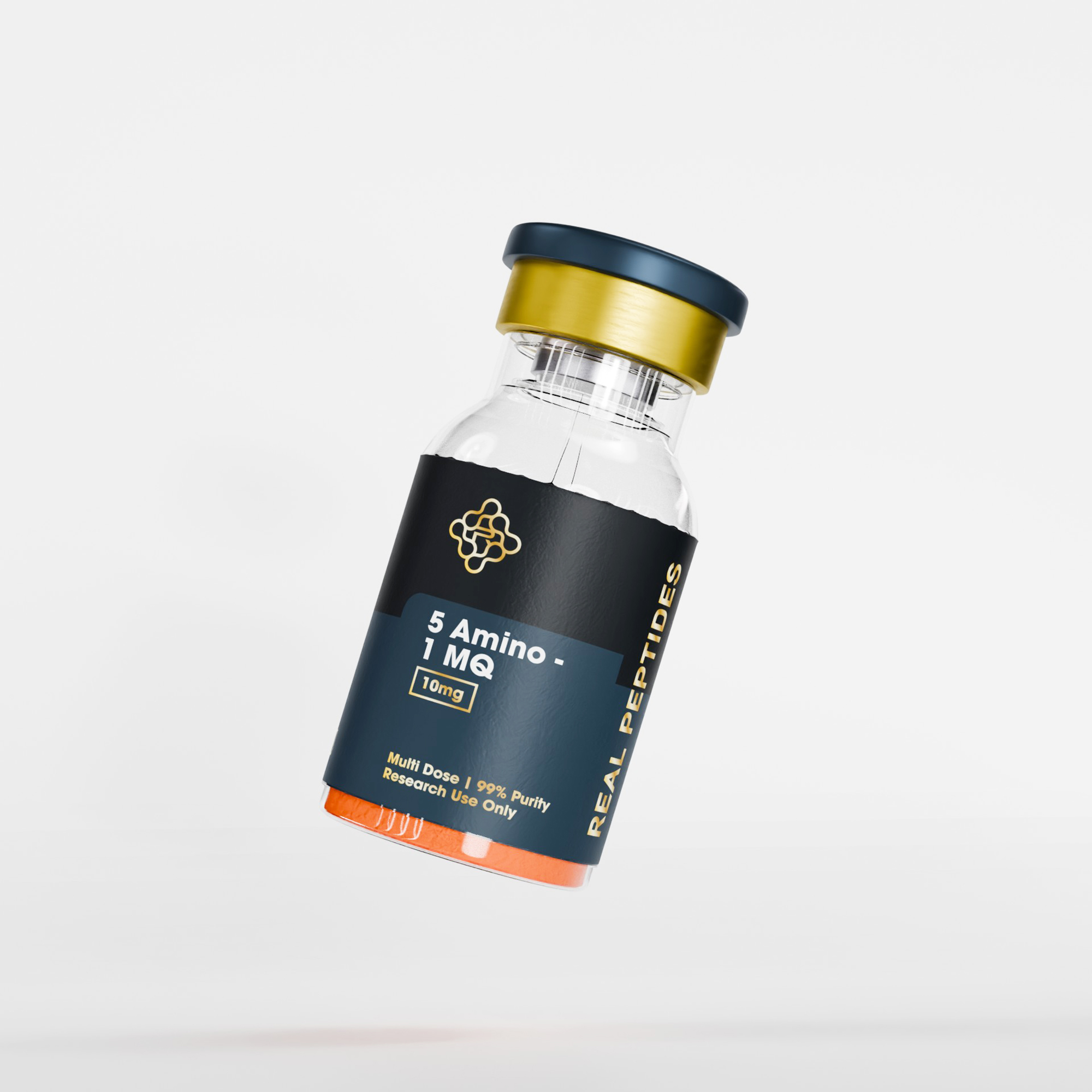
- Vials for reconstitution: often provided as a powder concentrate with instructions to add a diluent.
- Pre-mixed liquids: less common, but some sellers offer ready-to-use solutions.
- Topical/externally positioned products: some listings emphasize external use, which may change exposure patterns compared with systemic use.
What “quality signals” usually mean in practice
- Lot-specific COA: a Certificate of Analysis tied to the exact batch you purchase.
- Clear labeling: concentration/dose guidance, storage instructions, and batch/lot numbers.
- Purity and testing claims: credible products describe what they test (e.g., purity, contaminants) and how.
- Reasonable transparency: not vague marketing, but actual documentation and consistent product presentation.
Ingredients to watch for: while 5 Amino 1MQ is the headline ingredient, the vehicle/diluent and any stabilizers can also affect tolerability. If you see unusual “proprietary blends” or unclear excipients, that’s a warning sign—because side effects can come from more than the active ingredient.
Consumer note on dosing discipline: even if you’re following a vendor guide, keep the first two weeks simple. Don’t introduce multiple new products at once—your ability to interpret side effects of 5 Amino 1MQ depends on isolating variables.
Comparison of Common Options
| Format | Typical Dose/Use | Pros | Cons | Cost | Best For |
|---|---|---|---|---|---|
| Vial powder (reconstituted) | Conservative starter dose for 7–14 days | More dose control; often available in multiple strengths | Reconstitution skill required; more handling steps | Mid | Women who want careful dose tracking and don’t mind prep |
| Pre-mixed liquid | Follow labeled serving/concentration | Less handling; easier consistency day-to-day | May reduce flexibility to adjust dose precisely | Mid–high | Users who prioritize convenience and consistent dosing |
| External-use positioned products | Use per label frequency | Often perceived as lower “system” exposure | Effect is harder to interpret; skin irritation possible | Low–mid | Those mainly targeting skin comfort and tracking localized reactions |
| Stacked bundles (multi-ingredient) | Multiple actives per routine | Convenience; bundled approach | Harder to identify 5 Amino 1MQ side effects source | High | Only if you’re very experienced and documenting carefully |
| Community-modified regimens | Variable (often based on forum guidance) | Sometimes cheaper upfront | Greater variability; higher chance of inconsistent outcomes | Low | Generally not recommended for first-time users due to uncertainty |
Buying Framework and Red Flags
Here’s a practical buying framework you can use before you even think about dosing. The goal is to reduce the odds that “side effects of 5 Amino 1MQ” are driven by poor quality, contamination, or unclear composition.
- Checklist: Does the vendor provide lot-specific COA?
- Is there clear product labeling (concentration, batch/lot number, storage instructions)?
- Do they describe what tests were performed (not just marketing claims)?
- Is customer support responsive when you ask straightforward questions?
- Are instructions for preparation/use consistent and easy to follow?
- Do they avoid “guaranteed results” language or pressure tactics?
Red flags: no lot numbers, non-existent or generic documentation, inconsistent labeling across pages, and “miracle” promises. If a listing frames 5 Amino 1MQ as a guaranteed fix for a specific condition, treat that as a serious warning sign. Your safest path is documentation + conservative trial + symptom tracking.
Common Mistakes and How to Avoid Them
When people ask “what are the side effects of 5 Amino 1MQ,” what they often need isn’t just a symptom list—it’s help avoiding the mistakes that make side effects more likely or harder to interpret.
- Mistake: Starting at a full “goal dose.” Avoid: use a conservative starting plan and adjust only if you tolerate it.
- Mistake: Introducing multiple new supplements simultaneously. Avoid: change one variable at a time so you can attribute any reaction to 5 Amino 1MQ more confidently.
- Mistake: Ignoring sleep and headache patterns. Avoid: track sleep duration, time to fall asleep, and headache frequency from day 1.
- Mistake: Skipping storage/handling steps. Avoid: follow storage directions carefully; poor handling can impact tolerability and stability.
- Mistake: Pushing through “mild” side effects indefinitely. Avoid: treat recurring side effects as a reason to stop and reassess.
Red-flag symptom patterns: severe or escalating headaches, persistent nausea/vomiting, rash/hives, breathing discomfort, or any reaction that worsens over 24–48 hours. Those patterns are not “wait and see” symptoms—stop use and seek medical guidance.
FAQ
Is it proven that 5 Amino 1MQ helps, and are the side effects of 5 Amino 1MQ the same for everyone?
Human proof for specific benefits can be limited, and side effects of 5 Amino 1MQ may vary by dose, product quality, and individual sensitivity. If you’re deciding whether to try it, treat any benefit as uncertain and focus on tolerability and documentation.
How long does it take to notice possible side effects of 5 Amino 1MQ in women 45–54?
Many people who react notice changes within the first few days—especially with headaches, nausea, or sleep disruption. That doesn’t mean later problems can’t occur, but the first week is often when tolerability becomes clear. Use a short trial mindset and track daily.
What are the most common side effects of 5 Amino 1MQ reported in consumer reviews?
Commonly discussed issues include mild gastrointestinal changes, headaches, tiredness or sleep disturbance, and—depending on format—skin irritation. Severe reactions are uncommon in reports, but when they happen they’re a reason to stop and get help.
Can 5 Amino 1MQ combine with other supplements or medications, and how does that affect side effects?
Combining increases uncertainty because side effects may come from interactions or from a different ingredient in a stack. The safest consumer approach is to avoid stacking at the start. If you take medications or multiple supplements, ask a clinician before experimenting, and don’t add new variables during your trial.
What’s the difference between oral vs injection/alternative formats for 5 Amino 1MQ side effects?
The route matters. Oral-like formats can change digestion experience; reconstituted or injectable-like formats can change how quickly systemic effects appear; external-use formats may lead more often to localized irritation. If you’re trying to understand “side effects of 5 Amino 1MQ,” keep the route consistent for your first trial so you can interpret outcomes accurately.
A Practical 2-Week Experiment Framework
This is a structured, cautious approach designed for the exact question “what are the side effects of 5 Amino 1MQ?”—namely, how to detect them early. Use this if you decide to try it, and keep expectations modest.
Before you start (Day 0):
- Pick only one product/lot and stick to the same routine.
- Choose a conservative starting dose per the label/instructions.
- Write down baseline: sleep quality (1–10), headache frequency, digestion (normal/loose/constipated), and any skin sensitivity.
- Plan your stop rules: if side effects worsen or you get red-flag symptoms, stop immediately.
Days 1–7:
- Track once daily (quick notes) and add any symptoms the same day.
- Avoid adding new supplements or changing diet dramatically.
- If you experience recurring headaches, nausea, or sleep disruption, pause and evaluate rather than pushing through.
Days 8–14:
- Continue only if you tolerated the first week.
- If you didn’t notice any benefit but also have no side effects, consider stopping at day 14 rather than automatically extending.
- If you notice “possible benefit” (e.g., skin comfort), document timing (what day it started) so you can compare against your baseline routine changes.
Failure cases to respect: If symptoms escalate over several days, if sleep disruption persists, or if headaches become more frequent than your normal pattern, stop. Also stop if you can’t isolate the cause because you added other variables—no experiment is useful if it can’t interpret side effects of 5 Amino 1MQ.
About the Author
Jordan Ellis is a health-adjacent consumer reviewer and former ecommerce product analyst who has spent the last 6 years reviewing supplement routines through a “traceable evidence + symptom tracking” lens. The focus of these reviews is practical: dosing discipline, labeling quality, and what people actually report about tolerability. Jordan also documents failure cases (when users stop due to side effects) rather than only highlighting positive stories.
Disclaimer: This article is for general informational purposes only and reflects consumer-style experiences and cautious risk framing. It is not medical advice, and it doesn’t diagnose, treat, or cure any condition. If you have medical concerns, take medications, are pregnant/breastfeeding, or have experienced adverse reactions to supplements, consult a qualified healthcare professional before trying 5 Amino 1MQ or evaluating the side effects of 5 Amino 1MQ.
Discussion