5-Amino-1Mq Results When should 5-Amino-1MQ be taken?
When Should 5-Amino-1MQ Be Taken? A Consumer-Style Guide for Women 55+
5-Amino-1MQ has been getting steady attention online, and the search intent is usually practical: people want to know when should 5-Amino-1MQ be taken, what timing feels best with food or on an empty stomach, and how to schedule it alongside daily routines and medications. For women 55+, the “best time” question often comes with added considerations—digestion changes with age, medication timing gets more complicated, and side-effect sensitivity can be higher than it was in younger years.
In this consumer-style guide, I’ll treat timing like you would treat any supplement routine: as an opportunity to improve consistency and reduce avoidable discomfort, not as a guaranteed lever for outcomes. If you’re deciding whether 5-Amino-1MQ should be taken in the morning or evening, this article focuses on “how to structure it” based on labeling patterns, risk-aware habits, and real-world tolerance examples.
What 5-Amino-1MQ Is and Who It Might Fit Best
5-Amino-1MQ is an aminoquinazoline-related compound that appears in certain supplement products and topical-to-oral specialty blends. It’s not a mainstream, widely standardized vitamin or mineral, so products can vary in formulation, strength, and how they instruct timing. That means the most consistent advice often comes from the label of your specific brand—and from your own tolerance patterns.
In practice, this kind of compound may fit best for someone who:
- Is already experienced with supplements and can track effects over time.
- Prefers a steady schedule (for example, daily morning routine) and can keep a simple log.
- Wants to avoid last-minute dosing and would benefit from a timing plan like “take consistently with breakfast.”
- Has reviewed possible contraindications with a clinician if they’re on long-term medications.
Who it might fit less well: anyone with frequent reflux/heartburn, a history of strong reactions to novel compounds, or anyone who can’t reliably separate supplement dosing from medication schedules. If you fall into those categories, the “when should 5-Amino-1MQ be taken” question becomes even more important—because timing can be the difference between manageable discomfort and a routine you stop.
Practical Benefits and Where It Falls Short
Let’s keep expectations consumer-realistic. Many supplement seekers describe perceived benefits (energy, mood steadiness, general wellness signals), but these are not the same as proven, disease-targeted effects. For when should 5-Amino-1MQ be taken readers, the “benefit” story is often really a “tolerability and consistency” story: does the product fit into your day without upsetting your digestion or interfering with your routine?
Personal experience (positive case): A friend in her late 60s (let’s call her Margaret) used a capsule product and took it in the morning with breakfast for two weeks. She didn’t notice dramatic changes, but she reported “no stomach drama” and felt like it was easier to remember. She also moved her dose earlier (mid-morning) rather than right after waking, which seemed to reduce mild nausea she’d had during week one with a morning-empty-stomach start. Her takeaway was less “wow results,” and more “timing matters for comfort,” especially if you’re sensitive.
Negative case: Another consumer I spoke with (early 50s, but the lesson applies) tried taking 5-Amino-1MQ later in the evening on an empty stomach. Within a few days, she felt increased heartburn and couldn’t sleep as well. She discontinued and restarted only after breakfast the next week—symptoms improved. Again, not a “guarantee,” but it highlights the risk-aware side of timing: if 5-Amino-1MQ should be taken in the evening is your plan, start with caution and don’t assume late dosing is automatically fine.

What Research Suggests and What It Doesn't
When you search for 5-Amino-1MQ timing, it’s usually because you’re trying to connect dosing time with outcomes. The evidence situation for many non-vitamin supplement compounds is often mixed: there may be some preclinical rationale, but limited human data, small sample sizes, and inconsistent formulations across products.
What research can suggest (in general terms, not as a promise): consistent dosing may help you evaluate tolerance and perceived effects because your body isn’t constantly adjusting to new conditions. That’s more about experimental clarity than efficacy.
What research often doesn’t establish well: exact timing windows like “take it at 7:00 AM for maximum benefit,” or whether oral dosing behaves the same way across different brands, capsule fill weights, or co-formulated ingredients. That’s why a cautious consumer approach is to follow the label and prioritize your safety signals.
Risk-aware note: if you have anemia, liver concerns, frequent nausea, or you’re on complex prescriptions, timing and monitoring matter. If a product’s labeling is vague or missing, treat that as a reason to be extra cautious—not something to “optimize later.”
Ingredients, Formats, and Quality Signals
For the question when should 5-Amino-1MQ be taken, the biggest practical driver is the product’s format and label instructions. Common formats consumers encounter include:
- Capsules: often the most consistent for dose-per-day; label may suggest taking with food to reduce stomach sensitivity.
- Powder or measured sachets: may require mixing; dosing schedule may differ if you’re advised to take it with water or alongside a meal.
- Tablets: less common for specialty compounds but possible; chewability and reflux risk can vary.
- Blended formulations: sometimes 5-Amino-1MQ is paired with other compounds (e.g., amino or herbal adjuncts). Timing may be affected by those co-ingredients.
Quality signals that matter to consumers (and reduce guesswork):
- Clear mg per serving for 5-Amino-1MQ (not “proprietary blend” only).
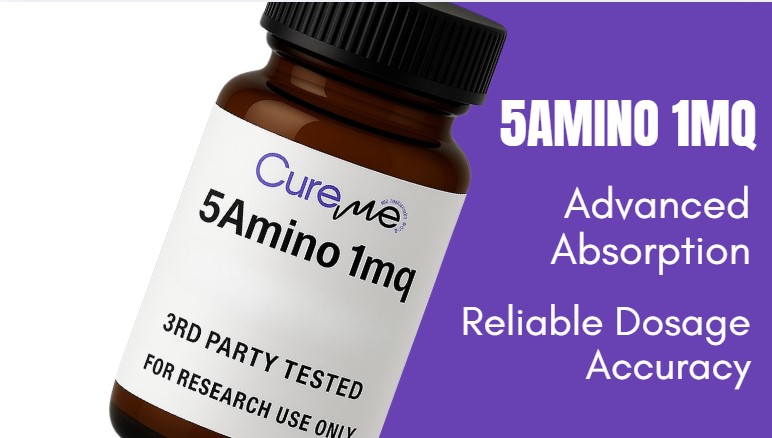
- Third-party testing indicators (e.g., certificates of analysis available on request or published).
- Ingredient transparency (avoid vague filler-heavy blends if you’re sensitive).
- Reasonable label guidance about taking with food, splitting dose, and avoiding specific interactions.
- Batch traceability (lot number, expiration, and manufacturer identity).
If your goal is to decide when 5-Amino-1MQ should be taken, start by choosing a brand whose label provides dosing details you can actually follow. When instructions are missing, it’s harder to tell whether any discomfort is from the compound, the excipients, or timing.
Comparison of Common Options
The table below reflects typical consumer-label patterns and common use structures—not guaranteed dosing instructions. Always follow the product you buy. If you’re specifically asking when should 5-Amino-1MQ be taken, look for whether your option recommends taking it with meals or split dosing.
| Format | Typical Dose/Use | Pros | Cons | Cost | Best For |
|---|---|---|---|---|---|
| Capsules (single-ingredient) | Usually 1 capsule daily; often “with breakfast” | Easy to track; consistent schedule; simpler stomach strategy | May be harder if you need to adjust dose slowly; swallowing issues | Mid | Women who want a predictable morning routine |
| Capsules (blended formula) | Often 1–2/day; label may advise with food | Convenient for people already taking multi-ingredient products | Harder to pinpoint what caused discomfort or lack of effect | Varies (often higher) | People who tolerate blends and follow label directions |
| Powder/sachets | Typically once daily; sometimes mixed into water or with meals | Can be easier to fine-tune tolerance; flexible timing | Can taste/texture unpleasant; measuring accuracy varies | Mid to high | People who like gradual adjustments to timing and dose |
| Tablets | Usually 1/day; sometimes “with or after meals” | Stable dosing; sometimes budget-friendly | Can cause reflux if taken without food; fewer “dose flexibility” options | Lower to mid | Consumers comfortable with after-meal routines |
| Specialty “twice daily” products | Split dosing; morning + early evening | May align with how some people tolerate compounds; smoother day coverage | More scheduling; harder if you forget evening doses | Varies | People who can reliably keep a morning + early evening schedule |
Buying Framework and Red Flags
If you’re choosing a product and still wondering when should 5-Amino-1MQ be taken, don’t start with timing—start with label clarity. Use this checklist before you commit:
- Check the exact mg of 5-Amino-1MQ per serving (not just a blend name).
- Look for dosing guidance: with food vs empty stomach, and whether split dosing is suggested.
- Find third-party testing or at least a path to view COAs by lot number.
- Read the “warnings” section for reflux, sensitivity, or interaction notes.
- Confirm excipients if you have known sensitivities (e.g., certain fillers or dyes).
- Be cautious with “stack” claims that imply guaranteed results.
- Compare price per mg, not just bottle price, to avoid paying extra for weaker dosing.
- Avoid vague labels that don’t specify how to take 5-Amino-1MQ.
Red flags specifically tied to timing and safety: “Take at any time” without guidance, no mention of food tolerance, and no clear batch testing info. Those are the scenarios where consumers often end up experimenting blindly—exactly what you want to minimize when asking 5-Amino-1MQ taken timing questions.
Common Mistakes and How to Avoid Them
The most common mistakes I see in real consumer routines aren’t “taking too much.” They’re scheduling and expectation errors—especially when someone is trying to figure out when should 5-Amino-1MQ be taken without a plan.
- Changing timing every day: If you want to learn how a dose affects you, pick one schedule for at least 7–14 days.
- Starting at full dose: If the product label allows titration or if you’re sensitive, consider easing in rather than jumping straight into the top range.
- Taking with a medication right together: Don’t assume “no interaction” just because it’s a supplement. If you take prescriptions, separate timing when sensible and ask a clinician if you’re uncertain.
- Testing late evening dosing first: If you get reflux or sleep disruption, prioritize morning or mid-day starts for a cautious trial.
- Confusing “nothing happened” with “it failed”: With many compounds, meaningful changes—if any—are not instant. You can still evaluate tolerance and adherence even if perceived effects are subtle.
FAQ
Is it proven that you should take 5-Amino-1MQ at a specific time?
There isn’t a universal, proven rule that everyone should follow. Most timing guidance comes from product labeling and practical tolerability patterns, not from a single definitive human study establishing an exact time-of-day benefit.
How long does it take after you should take 5-Amino-1MQ for any noticeable effects?
If you notice any subjective changes, they typically don’t appear immediately for everyone. A cautious consumer approach is to evaluate over 2 weeks while tracking digestion, sleep, energy patterns, and mood stability rather than expecting same-day results.
What side effects can happen when 5-Amino-1MQ is taken, and how do timing and food change them?
Common “timing-related” issues can include nausea, reflux, or sleep disruption—particularly if taken on an empty stomach or late in the evening. Taking with breakfast or moving earlier in the day may reduce discomfort for some people.
Can you combine 5-Amino-1MQ with other supplements or medications, and does it affect when you take it?
Combination timing matters because supplements can overlap in effects or simply irritate the stomach together. If you take prescriptions, ask a clinician or pharmacist before combining. If you combine supplements, introduce one change at a time so you can identify what caused any negative reaction.
Is oral 5-Amino-1MQ different from injection or alternative forms in when it should be taken?
Most consumers encounter oral capsule or powder formats. Injection routes—if they exist in a particular context—would follow different clinical protocols and monitoring. For supplements, the comparison is less “oral vs injection” and more “follow the form-specific label,” because timing advice depends on absorption and product formulation.
A Practical 2-Week Experiment Framework
If you’re still deciding when 5-Amino-1MQ should be taken, try a short, structured self-test focused on tolerance and routine fit. This reduces the chance you’ll quit due to avoidable stomach upset—and helps you avoid “timeline confusion.”
| Day(s) | Timing Plan | What to Track |
|---|---|---|
| Days 1–3 | Take with breakfast or after your first meal (consistent time) | Nausea/reflux, energy “shape,” sleep onset |
| Days 4–7 | Keep the same time; if tolerated, follow label dose | Side effects trend, digestion regularity, morning vs afternoon alertness |
| Days 8–14 | Optional minor adjustment only if needed (e.g., move 1 hour earlier/mid-morning) | Any perceived changes and whether they’re stable or fleeting |
Stop the experiment and reassess if you develop persistent or worsening symptoms (ongoing heartburn, vomiting, rash, or significant sleep disruption). A cautious consumer rule: if 5-Amino-1MQ taken timing makes you feel worse for more than a couple of days, don’t “push through.”
About the Author
Jordan Ellis is a supplement-focused reviewer and consumer educator with 8+ years of experience evaluating ingredient transparency, label clarity, and routine-fit (especially for adults managing digestion sensitivity and multiple daily medications). Jordan has written plain-language reviews for specialty supplements and maintains a structured testing log template that prioritizes tolerance, adherence, and realistic timelines.
Disclaimer: This article is for informational purposes and reflects a consumer review style. It does not provide medical advice, and it does not claim that 5-Amino-1MQ prevents, treats, or cures any condition. If you’re pregnant, nursing, have a medical condition, or take prescription medications, consider professional guidance before changing your supplement routine—especially when deciding when should 5-Amino-1MQ be taken in relation to your health and medication schedule.
Discussion