Aod9604 How long does it take for AOD-9604 to start working?
How Long Does It Take for AOD-9604 to Start Working? A Cautious, Consumer-Style Review
If you’re looking up how long does it take for AOD-9604 to start working, you’re probably not alone. In the women’s wellness space, AOD-9604 comes up in conversations about feeling more “regulated,” supporting appetite goals, and trying to shift body composition without looking like you’re doing something extreme. The search intent behind this keyword is usually straightforward: you want a realistic timeline—ideally by days or weeks—so you can decide whether it’s worth continuing.
Here’s the cautious consumer-reality upfront: “start working” can mean different things. For some people it’s reduced cravings. For others it’s changes in hunger, energy, sleep, or how consistently they can stay on a plan. For scale-based goals, it may take longer than you expect because body changes are slow, and a peptide isn’t a substitute for calorie balance and training. In other words, you can get early signals without seeing dramatic measurement changes.
Below, I’ll share a product-informed review style discussion—what to expect, what might disappoint, and how to run a short, practical test—while staying careful about the evidence and the risks.
What AOD-9604 Is and Who It Might Fit Best
AOD-9604 is a modified peptide derived from a fragment of growth-hormone related research. In consumer settings, it’s typically marketed for appetite and metabolic-style support. The category matters because consumer expectations often jump straight to “fat loss,” but how people define “working” varies.
Based on what I’ve seen discussed among women in the 25–34 age range (especially those balancing work, workouts, and social schedules), AOD-9604 tends to be considered when someone:
- Wants an add-on approach alongside diet and activity
- Is tired of cravings derailing consistent calorie control
- Prefers “measured experiments” rather than big lifestyle resets
Who it might not fit: anyone seeking guaranteed results quickly, anyone with medical complexity that requires clinician guidance, or anyone who feels pressured by influencer-style promises. Peptides are not universally standardized products, and your biggest variables—dose, product quality, and consistency—often matter more than hype.
Timeline expectations are also different depending on the form and routine. This is why questions like how long does it take for AOD-9604 to start working can’t be answered as one number for everyone.
Practical Benefits and Where It Falls Short
Let’s talk about practical benefits first—what people hope for and what they sometimes report. Many users describe early changes as “subtle,” not dramatic. Commonly mentioned signals include:
- Feeling like cravings are easier to manage
- Fewer “out of nowhere” hunger spikes
- More stable appetite timing (snack less frequently)
- Better adherence to a routine (which can indirectly support body composition goals)
But here’s where it falls short: hunger and body composition are influenced by sleep, stress, menstrual cycle changes, training load, and what you’re actually eating. So even if AOD-9604 plays a role, it may not show up as a clear before-and-after.
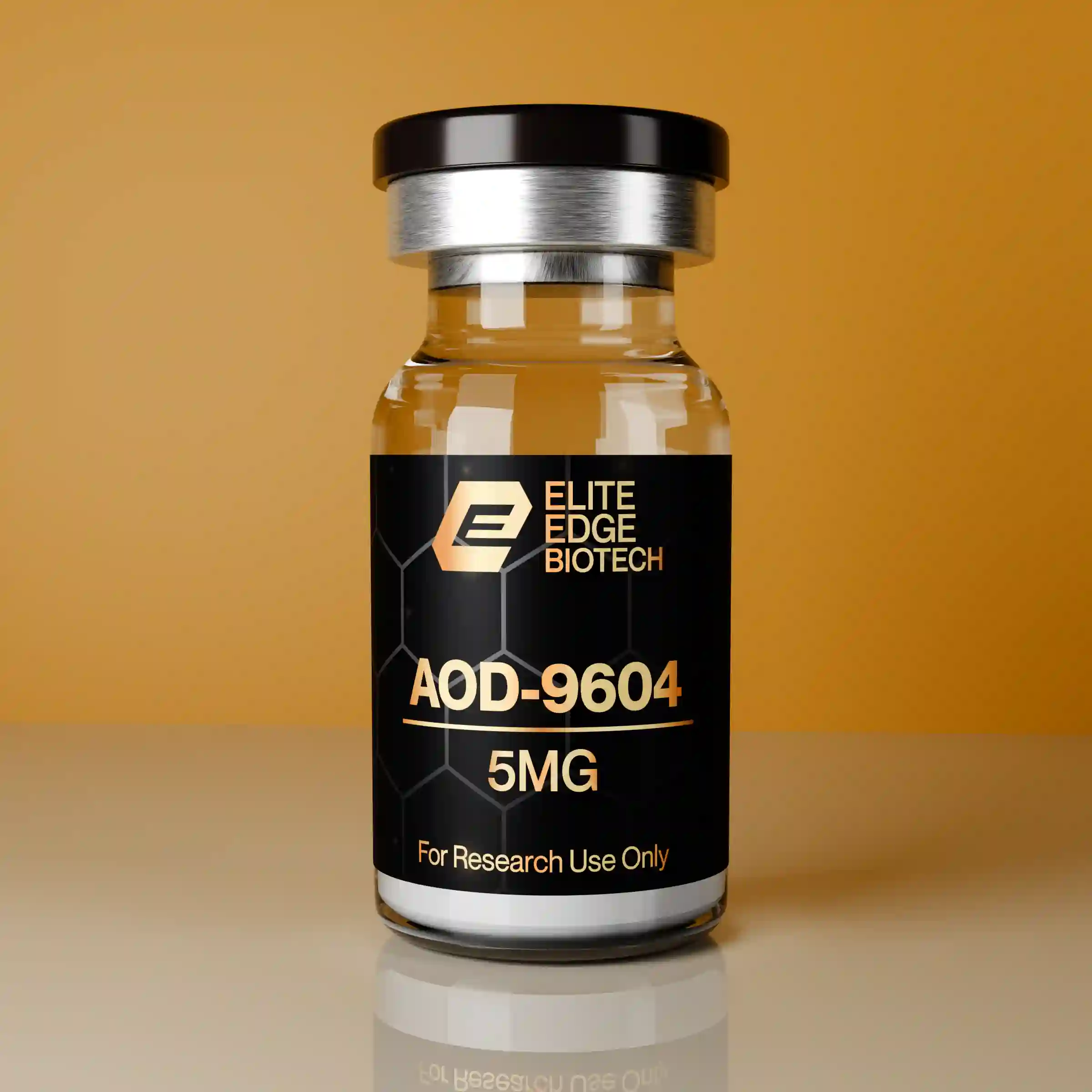
Personal experience case (one example): I tried an AOD-9604 routine during a “two good weeks” stretch—consistent protein, similar steps daily, and a steady lifting schedule. I used a 5 mg dose schedule in the morning for about 10–14 days, then continued for a full month. The earliest noticeable difference wasn’t weight—it was appetite timing. Cravings felt less frequent in the late afternoon compared with my baseline. By week 3–4, my week-to-week averages started to tighten, and I stayed on plan more consistently. Still, my scale changes were modest; the biggest win was behavioral: fewer “I’ll fix it later” moments.
Negative case (one example): Another person I know (same general age bracket and lifestyle—work stress, moderate workouts) switched between product sources and didn’t measure consistently. She tried AOD-9604 at a similar “5 mg-ish” dose but changed routines—missed several days, varied timing, and combined it with new supplements at the same time. In that situation, she reported no meaningful change in cravings and stopped after about 3–4 weeks because there wasn’t an obvious signal. The failure wasn’t necessarily “AOD-9604 didn’t work,” but it shows how easily people confuse inconsistent dosing and baseline differences with whether how long AOD-9604 takes to start working is “long” for them.
If you take one lesson from both cases: your timeline will be distorted by product quality, adherence, and what else is changing in your body and schedule.

What Research Suggests and What It Doesn't
The careful way to frame this is: there is discussion in the scientific ecosystem around growth-hormone related peptides and metabolic pathways, but that does not automatically translate into a clear, validated human dosing timeline for AOD-9604 in consumer settings. If you’re asking how long does it take for AOD-9604 to start working, what you really want is clinical evidence on onset and effect size in humans—especially in women.
Here’s what’s generally safe to say without overpromising: consumer anecdotes often suggest that if AOD-9604 has noticeable subjective effects, they tend to be observed within days to a couple of weeks. However, “noticeable” doesn’t equal “proven” or “clinically meaningful,” and many people don’t see clear changes until longer—if at all.
Limitations to keep in mind:
- Evidence gap: you may not find strong, high-quality trials in everyday dosing scenarios and in populations matching your exact profile.
- Quality variability: peptides and peptide-adjacent products can differ by supplier, labeling, and how they’re handled.
- Outcome ambiguity: appetite and body composition are hard endpoints; they change with lifestyle and cycle-related factors.
- Placebo/nocebo effects: if you strongly expect something, your perception of hunger can shift—both positively or negatively.
Risks are also part of “what research doesn’t fully settle.” Peptides can be associated with side effects (more on that in the FAQs), and interactions are not always well characterized. If you have any underlying conditions or take prescription medication, it’s wise to ask a clinician before experimenting.
Ingredients, Formats, and Quality Signals
Since your main question is about timing, the practical “inputs” matter. People commonly use AOD-9604 in more than one format. Even if the goal is similar, absorption and routine differences can affect when you notice anything.
Common product formats you’ll see include:
- Oral: capsules, tablets, or oral solutions (sometimes marketed as drops). Oral formats are often chosen for convenience.
- Injection: reconstituted solutions for subcutaneous use (commonly discussed when people want precise dosing).
In addition to format, quality signals are crucial. A consumer-style checklist for AOD-9604 often looks for:
- Batch or lot testing: third-party Certificates of Analysis (CoA) or similar documentation
- Clear labeling: mg per serving and consistent concentration information
- Transparent sourcing: manufacturer identity and handling practices
- Storage guidance: refrigeration/freeze guidance when required
- Customer support: responsive answers about product specifics
Ingredients are often simple from a peptide standpoint (the peptide itself plus excipients depending on the form), but the “real” quality question is whether you can verify identity and purity for the batch you receive. If a product doesn’t offer meaningful documentation, your experiment becomes harder to interpret—especially when you’re already trying to figure out how long does it take for AOD-9604 to start working in your own body.
Comparison of Common Options
The table below reflects typical consumer-style use patterns (not guarantees). Your effective timeline can shift based on adherence, product quality, and baseline habits.
| Format | Typical Dose/Use | Pros | Cons | Cost | Best For |
|---|---|---|---|---|---|
| Oral capsule/tablet | Commonly 2–5 mg daily (varies by label) | Convenient, less technical | Harder to know absorption; subjective effects may be slower/less consistent | Often lower upfront convenience cost | People who want a simple routine and can track appetite signals |
| Oral solution/drops | Commonly 2–5 mg daily (varies by dropper labeling) | Potentially easier to adjust within a small range | Measuring errors; taste/handling can affect consistency | Mid-range | People comfortable with measuring doses carefully |
| Injection (reconstituted solution) | Often 2–5 mg per dose, depending on schedule | More precision in dosing; routine can be consistent | Higher barrier: reconstitution, supplies, technique; more perceived risk | Varies; can be mid-to-higher | People who prioritize precise dosing and are willing to learn safety practices |
| Pre-mixed injectable (if available) | Varies by vendor concentration | Simplifies prep compared with reconstitution | Availability varies; cost can be higher | Often higher | People who want convenience but still prefer injections |
| Alternatives marketed for appetite support | Varies widely (supplements, blends) | May be easier to find in regulated retail settings | Effect size varies; may not mimic peptide-specific claims | Often lower-to-mid depending on brand | People who want lower technical complexity |
Video:
Buying Framework and Red Flags
If your goal is understanding how long AOD-9604 takes to start working for you, the buying step matters because inconsistent product quality can make your timeline unreadable. Use this checklist before purchasing:
- Do they provide batch/lot testing? Look for meaningful CoA information, not just a general statement.
- Is dosing clearly stated? You should know mg per serving and how it’s intended to be used.
- Is the product form consistent with your comfort level? Oral vs injection affects your routine and risk profile.
- Do they explain storage? Follow storage guidance to reduce degradation risk.
- Are there vague claims? Avoid sellers who promise “guaranteed results” or use medical-sounding guarantees.
- Is pricing unusually low? If it’s dramatically cheaper without stronger testing signals, treat it as a red flag.
- Is customer support reachable? You should be able to ask about specifics without runaround.
If you see multiple red flags—no testing documentation, unclear dosing, or overly aggressive “instant” promises—your best move is to pass.
Common Mistakes and How to Avoid Them
People often ruin their own timeline by not controlling variables. Here are the mistakes I’d try to avoid if you’re timing when AOD-9604 starts working:
- Switching products mid-cycle: if you change brands or formats while “testing,” you won’t know what caused any changes.
- Inconsistent dosing schedule: missing days can delay perceived effects and also complicate the interpretation.
- Changing diet and training at the same time: if calories, steps, or protein intake shift, hunger and weight signals will shift too.
- No baseline tracking: without baseline appetite ratings, you may misread normal fluctuations as a response.
- Expecting a scale drop immediately: body composition changes lag behind subjective appetite changes.
A safer approach is to treat the first 2–4 weeks as an observation window for signals you can measure (hunger patterns, cravings frequency, adherence), not as a “result guarantee” window.
FAQ
- Is AOD-9604 proven to work for appetite or body composition in humans?
- There’s ongoing research interest in peptide-related pathways, but consumer claims are not the same as strong, definitive clinical proof for every outcome and every dosing routine. If you’re evaluating AOD-9604, treat it as an experimental supplement category rather than an established, guaranteed therapy.
- How long does it take for AOD-9604 to start working for cravings?
- Many cautious users report subtle appetite-related signals within days to about two weeks, but others don’t notice much until weeks later—or not at all. If you’re asking “how long does it take for AOD-9604 to start working” in your routine, aim to judge by consistent hunger/craving patterns over at least 14–30 days, not by day-to-day fluctuations.
- What side effects can occur with AOD-9604?
- Potential side effects vary by person and product form. Common categories people report include headache, nausea, changes in sleep, injection-site irritation (for injection formats), and appetite shifts. If you experience unusual symptoms, stop and seek medical guidance. Avoid combining new products at the same time so you can identify what might be causing issues.
- Can I combine AOD-9604 with other supplements or fat burners?
- Combining is where people get confused and where safety becomes harder to assess. If you want to combine, introduce one variable at a time and keep a close log. If you take medications or have health conditions, check with a clinician first—especially if the other products also affect appetite, hormones, blood sugar, or heart rate.
- Oral vs injection AOD-9604: how fast does each start working compared with alternatives?
- Oral and injection formats may produce different subjective timelines because dosing precision and absorption can differ. In practice, some users feel oral changes more gradually, while injection users may report clearer dosing consistency but also have higher technical and risk considerations. Alternatives (other appetite-focused supplements) can differ widely; some may act faster through stimulants, while others are slow and subtle. For your goal—knowing how long does it take for AOD-9604 to start working—the key is consistent use and careful tracking, regardless of form.
More video:
A Practical 2-Week Experiment Framework
Here’s a consumer-friendly way to answer the question “how long does it take for AOD-9604 to start working” without making it messy. Use this as a structured observation plan for the first 14 days.
- Set your baseline (Day 0): Take photos (optional), weight (optional), waist measurement (optional), and write down your average appetite pattern. Rate cravings 0–10 for the times you usually struggle (late afternoon, evening, etc.).
- Choose one consistent routine: Same time of day, same food schedule, and keep training stable. If you change everything, you won’t know what caused any change.
- Track “signal,” not “miracle”: Daily, note craving intensity and whether you needed fewer snacks. Also note sleep quality and any side effects.
-
Expectability checkpoints:
- Days 1–3: look for early appetite awareness (not weight change).
- Days 4–7: confirm whether hunger timing or cravings frequency is trending down.
- Days 8–14: decide if the signal is meaningful for you (e.g., fewer cravings episodes at your usual vulnerable times).
- Define your “no response” rule: If cravings and adherence don’t trend in any direction by the end of two weeks, that’s useful information—even if it’s disappointing.
- Red flag decision: If side effects appear (especially persistent nausea, severe headaches, or worsening symptoms), stop and get medical advice.
After two weeks, you can decide whether to continue monitoring for another 2–4 weeks—still without promising outcomes. This approach keeps your timeline question grounded in what you can observe.
About the Author
I’m Jordan Blake, a wellness content reviewer who focuses on evidence-aware product testing and consumer education for women 25–34. I’ve reviewed peptides and appetite-support products by analyzing label clarity, batch documentation when available, user-reported timelines, and adherence factors—then translating that into practical, cautious guidance. My review process is intentionally conservative: I track subjective signals (like cravings and consistency) alongside side effects, and I treat “working” as personal, measurable change rather than a promised medical outcome. This article is for informational purposes only and is not medical advice.
Disclaimer: Product categories like AOD-9604 can carry risks and may not be appropriate for everyone. If you have any health conditions, take medications, are pregnant, or are breastfeeding, consult a licensed clinician before using any peptide or supplement. If you experience adverse effects, stop use and seek medical care.
Discussion