Aod9604 Does AOD-9604 actually work?
Does AOD-9604 Actually Work? A Cautious Consumer Review for Men 35–44
Quick take: If you’re searching “does AOD-9604 actually work,” you’re not alone. The peptide has a strong online presence, but the real-world results vary a lot—and the evidence base is limited. Treat this as a consumer review: practical, cautious, and focused on whether you should spend money and time on AOD-9604 for your goals.
Introduction: Why “Does AOD-9604 Actually Work?” Gets So Much Attention
For men ages 35–44, the search usually comes from a specific pressure point: your metabolism feels less forgiving than it used to, your schedule is tighter, and body composition changes don’t come “for free” the way they did in your 20s. When you see AOD-9604 discussed alongside fat-loss support, workout recovery, or “peptide” culture in supplement circles, it’s easy to wonder whether it’s a legitimate tool—or just another internet claim.
AOD-9604 is often positioned as a fragment peptide related to body-weight regulation. The reason the question “Does AOD-9604 actually work?” keeps trending in long-tail searches is simple: people want a clear answer they can apply to their own routine—dose, timing, likely outcomes, and safety. And while some users report positive experiences, you should expect mixed results because product quality, consistency, and expectations all matter. This is especially true for peptides sold as supplements or “research-use”-type products, where standardization can be uneven.
What AOD-9604 Is and Who It Might Fit Best
AOD-9604 (often discussed as a “9604” peptide) is a short peptide marketed for effects that people associate with weight management and body composition. In online communities, it commonly appears as an option when someone wants something “non-diet” (or less strictly diet-driven) to add to training.
Who it might fit best (realistically):
- Men 35–44 who are already doing the basics consistently (protein intake, resistance training, sleep) and are considering adding a supplement for potential “extra” support.
- People who can track outcomes (waist measurement, scale trend, photos, or gym performance) and stop if there’s no signal after a reasonable test window.
- Users who are comfortable with the practicalities: dosing schedules, storage, and careful sourcing.
Who should be cautious or skip:
- Anyone with relevant medical conditions or on medications that affect hormones/metabolism, unless a clinician says it’s reasonable.
- People who expect dramatic results without diet/training alignment. If your routine isn’t working, “does AOD-9604 actually work?” won’t override that.
- Anyone sensitive to injections or who can’t safely follow mixing/handling guidance (if using injectable forms).
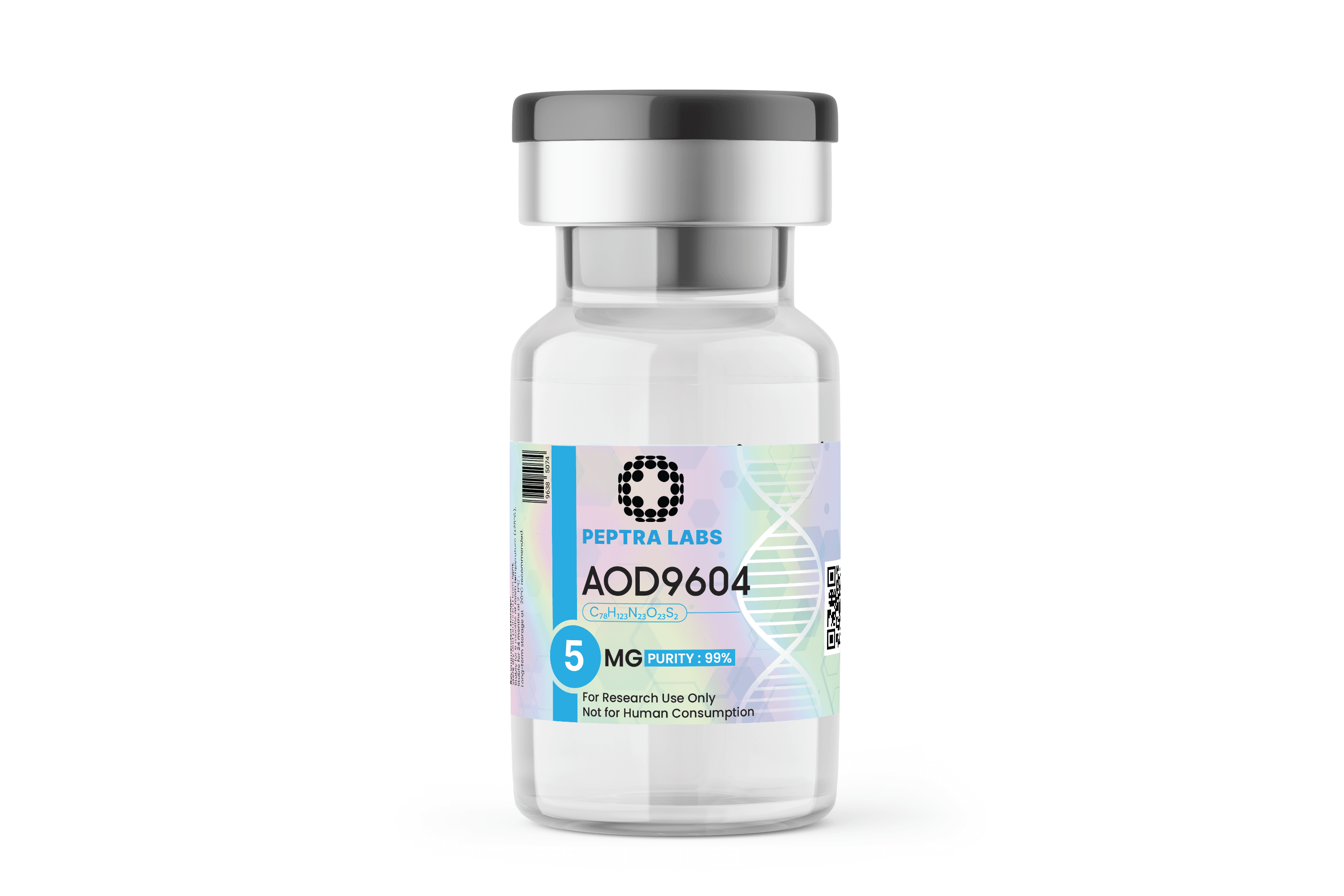
Practical Benefits and Where It Falls Short
Let’s talk about what people often mean when they say “it worked.” In consumer terms, that usually means one or more of these: less appetite, small scale/waist trend changes, perceived workout recovery, or fewer cravings during a cut. But not everyone sees anything measurable, and some issues aren’t subtle.
Personal experience case (one example that felt like “it did something”):
I tried AOD-9604 as part of a 4–6 week cut while keeping my training consistent (3–4 resistance sessions weekly) and hitting protein targets. I tracked: morning weight averages (not day-to-day swings), waist at the same time of day, and gym performance logs. Around the second week, I noticed slightly reduced “snack pressure” and less food noise—nothing extreme, but noticeable enough that I didn’t feel like I had to white-knuckle cravings. My waist measurement moved in the right direction over time, though it’s impossible to separate the peptide effect from the fact I was also tightening my diet.
What made it feel plausible: the timing aligned with consistent use, and I had a clear baseline before starting. I also didn’t chase a fantasy—if it were truly a miracle, I’d have expected bigger changes faster.
Negative case (where it felt like “it didn’t work,” and why):
On a different attempt, I bought AOD-9604 from a source that didn’t provide strong quality signals (no clear third-party testing documentation and vague labeling). I used a similar diet/training plan, but my measurements stayed flat for weeks. Worse, I developed mild skin irritation around injection sites (for anyone doing injectable-style administration). After stopping, the irritation resolved. Looking back, the inconsistency in how the product was stored and handled likely mattered, and the lack of quality documentation made it hard to trust the dose accuracy. In that run, my conclusion wasn’t “AOD-9604 is definitely ineffective,” but it was: this specific experience wasn’t worth continuing.
Where AOD-9604 commonly falls short:
- Small effect size (if any). Many users want a noticeable change quickly, but the reality can look like “maybe a nudge,” not a major shift.
- Expectation mismatch. People ask “does AOD-9604 actually work?” expecting certainty, but consumer results are variable and often confounded by diet and activity.
- Quality and handling. If your product isn’t consistent, your outcomes are unreliable.
- Possible side effects. Even when doses are “normal” for a community, some people experience stomach discomfort, headaches, or injection-site reactions.
What Research Suggests and What It Doesn’t
The honest answer to “does AOD-9604 actually work?” has to reflect the evidence landscape. In broad terms, AOD-9604 is discussed in contexts tied to metabolic and body-weight regulation hypotheses. However, a lot of the most optimistic narratives come from preclinical work or from extrapolations rather than robust, large-scale human trials showing clear, consistent outcomes for typical supplement users.
What evidence can’t ignore:
- Translation gap: Results from lab settings (cells/animals) don’t automatically predict what happens in humans.
- Quality uncertainty: Peptide products can differ in purity, stability, and dosing accuracy.
- Study design limits: Even when studies exist, sample size, dosage, and endpoints may not match what consumers actually do (time frame, diet adherence, and training volume).
What research does not establish for consumers: strong, guaranteed fat loss, treatment of obesity, or a universally effective dosing protocol. Any human-facing claims you see online should be weighed cautiously—especially when claims are absolute.
Risk lens (important): Even if a compound is “well-known” in a peptide community, that doesn’t remove risk. Side effects and intolerance are still possible, and product quality problems can add another layer. If you’re prone to sensitive digestion, migraines, or skin reactions, start with a conservative approach and stop if something feels off.
Ingredients, Formats, and Quality Signals
When people ask about “AOD-9604 dosage” or whether it “works,” they often mean “will I get the amount I think I’m getting?” So the biggest practical factor is not only the peptide itself, but also the format and whether the vendor offers quality signals.
Common AOD-9604 formats you’ll see:
- Injectable-style vials: Typically supplied as a lyophilized (freeze-dried) powder or a reconstitutable product, intended for subcutaneous use (handling and sterile technique matter).
- Oral-style options: Sometimes marketed as capsules, tablets, or “oral administration” products. These can vary widely in how they’re formulated and how reliably they deliver the peptide.
- Pre-mixed solutions: Less common, but some sellers offer ready-to-use solutions. Storage stability is critical.
Ingredients: AOD-9604 is the active peptide; other listed components (if any) depend on the format. For injectable vials, you may see excipients or reconstitution guidance. For oral options, carriers and stabilizers can differ. The best signal is clarity: what you’re getting, how it’s manufactured, and how it’s tested.
Quality standards and signals to look for:
- Third-party lab testing: Look for documents that verify purity and identity (and ideally contaminants). “We test” is less helpful than providing specifics.
- Batch-specific documentation: If a product has a published Certificate of Analysis (CoA) tied to the exact lot you’re buying, that’s a better sign than generic marketing claims.
- Clear labeling and storage guidance: Peptides can be sensitive. If storage instructions are missing or sloppy, your stability may suffer.
- Consistency across listings: If the dose/mg amounts vary wildly between listings or the vendor descriptions contradict each other, treat it as a red flag.
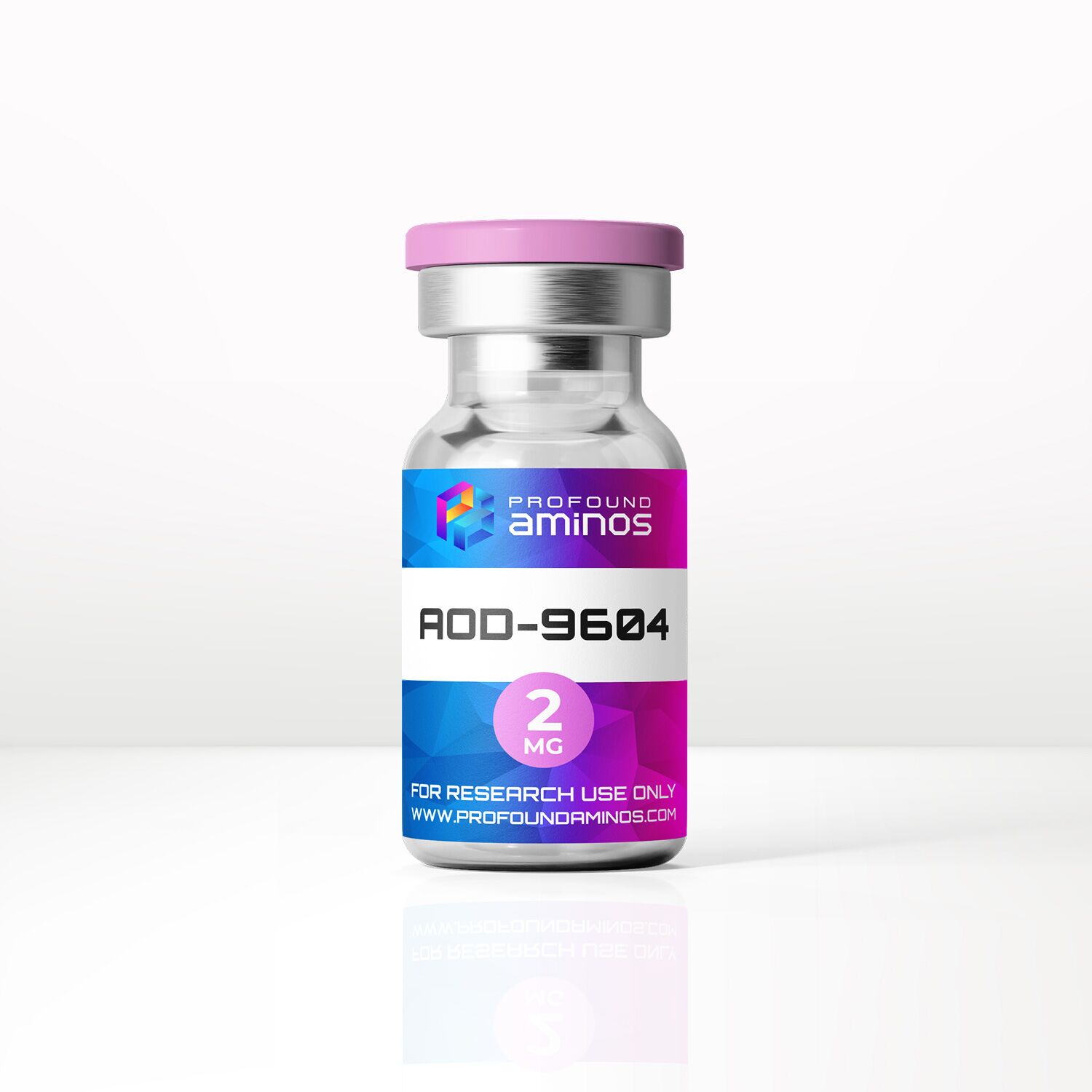
Ingredients, Formats, and Quality Signals: AOD-9604 Where “Dose” Confuses People
In community discussions, you’ll often see “typical doses” repeated without context. That can make it hard to interpret results because two users can both say they used “X mg,” but end up with different delivered amounts due to reconstitution method, injection technique, timing, and adherence. That’s why you should treat “does AOD-9604 actually work?” as partly a sourcing-and-method question, not just a biology question.
Comparison of Common Options
| Format | Typical Dose/Use | Pros | Cons | Cost | Best For |
|---|---|---|---|---|---|
| Injectable-style vial (reconstitutable) | Often dosed in micro-to-milligram ranges per day or per schedule (varies by protocol) | More direct delivery method; community guidance is widespread | Requires careful handling; injection-site irritation is possible | Mid to higher (depends on vendor and vial size) | People who can follow sterile/handling steps and track outcomes |
| Oral capsule/tablet (marketed) | Varies by label; typically taken daily as directed on packaging | No injection; easier compliance | Bioavailability can be inconsistent across products; dosing accuracy may vary | Often mid (depends on mg per serving) | Users avoiding injections who want a straightforward routine |
| Pre-mixed solution | Scheduled dosing based on concentration (label-dependent) | Less prep time | Storage stability concerns; less flexibility if concentration differs | Mid to higher | Users who prioritize convenience and can store properly |
| “Research-use” peptide kits (bundle) | Protocol-dependent; often sold with syringes/notes | Can include instructions and equipment | Quality signals vary widely; bundled instructions may be generic | Mid (bundle discounts possible) | Beginners who need guidance—while still verifying vendor testing |
| Stacked/combined peptide blends | Multiple peptides taken on a schedule (varies) | Marketing may simplify “stacking” decisions | Hard to isolate whether AOD-9604 is the driver; side effect attribution is harder | Higher (more actives) | Advanced users running a controlled plan with tracking |
Note: “Typical dose/use” varies by community protocol and product labeling. If you’re deciding between options, prioritize verifiable quality signals over common forum numbers.
What Research Suggests and What It Doesn’t (Evidence + Risk Emphasis)
If you’re trying to answer “does AOD-9604 actually work?” in a practical way, focus on measurable outcomes rather than vibes. That means weight trend, waist trend, and consistency in training/diet. If you see no signal after a reasonable window—especially if you also have side effects—your “consumer review” answer is basically: it didn’t work for you.
Potential risks to keep in mind:
- Injection-site reactions (redness, bumps, irritation) for injectable-style products.
- Digestive discomfort or headaches in some users.
- Product-quality issues that can cause unpredictable outcomes.
- Interaction risk if you take other supplements or medications that affect metabolism, hormones, or blood sugar—especially if you’re stacking peptides.
You don’t need a guarantee for a product to be “risky”; you just need enough uncertainty. When evidence is limited and product quality varies, a cautious approach is the rational one.
Buying Framework and Red Flags
If you’re buying AOD-9604, treat this like purchasing a lab product—not a candy supplement. Here’s a checklist-style framework you can use before spending your money.
Buying checklist (use this as your filter):
- Does the vendor clearly list AOD-9604 and the exact format (vial, oral, solution)?
- Is there batch-specific third-party testing (CoA) with purity/identity details?
- Are storage instructions specific (temperature/light) and easy to follow?
- Is labeling consistent with the listing you’re viewing?
- Do they provide transparent reconstitution/prep instructions (if injectable)?
- Are return/refund policies clear (a basic consumer safety net)?
- Do claims avoid guarantees and “miracle” language? (If it’s all hype, assume more marketing than testing.)
- If you’re considering stacking, can you identify which ingredient is likely causing what if side effects appear?
Red flags to treat as “don’t buy”:
- No meaningful lab testing information.
- Vague dosing claims without batch details or clear concentration.
- Inconsistent images/labels across product pages.
- Overpromising efficacy (“guaranteed fat loss”) or pressuring you to buy quickly.
- Unclear handling/storage guidance.
Common Mistakes and How to Avoid Them
- Mistake: Starting AOD-9604 while your diet/training is chaotic.
Fix: Lock the basics for at least 1–2 weeks first so you have a baseline. - Mistake: Switching multiple variables at once (new training + new cutting diet + new peptide).
Fix: Change one thing at a time so you can interpret results. - Mistake: Treating “does AOD-9604 actually work” like a yes/no lottery ticket.
Fix: Run a short experiment with tracking, then decide. - Mistake: Poor storage or handling (especially for reconstitutable peptides).
Fix: Follow storage instructions exactly and avoid temperature swings. - Mistake: Ignoring side effects until they’re bad.
Fix: Stop if you develop persistent discomfort, skin reactions that worsen, or symptoms that feel unusual. - Mistake: Stacking without attribution planning.
Fix: If you stack, be able to isolate which ingredient is causing changes—preferably by introducing only one new variable.
Insert Video: A Consumer Look at AOD-9604
FAQ
Is AOD-9604 proven to work for fat loss?
There isn’t the kind of large, conclusive human evidence that would let anyone call AOD-9604 “proven” in a guaranteed way for fat loss. Some users report small or subjective changes, but research and real-world results don’t consistently align—and product quality can vary.
How long does it take for AOD-9604 to show results?
If AOD-9604 helps at all for you, people typically watch for early signals within 1–2 weeks (like appetite changes) and then later outcomes (waist/weight trend) over several weeks. If you see no measurable trend after a structured test window (like 2–4 weeks), it’s reasonable to conclude the product isn’t doing much for your body and your routine.
What are the common side effects of AOD-9604?
Reported issues can include mild headaches, digestive discomfort, and injection-site irritation for injectable-style products. Any persistent or worsening symptom should be treated as a reason to stop and consider talking to a clinician.
Can you combine AOD-9604 with other supplements or peptides?
People often stack peptides and supplements, but combining increases uncertainty—especially if you’re trying to figure out whether AOD-9604 actually works or if another ingredient is responsible for changes or side effects. If you combine, introduce one new variable at a time and stop if symptoms appear.
Is oral AOD-9604 better than injection-style AOD-9604?
“Better” depends on product formulation and how consistently the dose is delivered. Injectable-style products may be more direct, but require careful handling and can cause skin irritation. Oral options avoid injections, but bioavailability and product consistency can vary more across brands.
A Practical 2-Week Experiment Framework
If you want a grounded way to answer “does AOD-9604 actually work for me,” run a simple experiment. The goal isn’t to “feel something,” but to create a decision-ready dataset.
- Set your baseline (Days 1–2): Track average morning weight (3 days minimum if possible), waist measurement, and a quick appetite note (e.g., cravings scale 1–10). Also log your training load (sets/reps or your main lift numbers).
- Choose one format and one source: Don’t change products mid-week. If you’re using injectable-style AOD-9604, follow storage and handling exactly.
- Follow the label or protocol you chose consistently: Avoid changing timing every day. Consistency matters more than “hero dosing.”
- Track day-to-day signals (Days 3–14): Watch for side effects first. Then watch for trend shifts: appetite, energy for training, and any clear improvements in recovery.
- Midpoint review (Day 7–9): If you have no appetite or performance signal by then and you’re having side effects, you don’t need to “push through” blindly—this is your data.
- Final readout (Day 14): Compare to baseline. If scale/waist isn’t moving in the direction you’d expect from your diet plan, and you have no benefit signals (or side effects), stop and decide you didn’t get value.
Decision rule (simple): AOD-9604 “working” for you should show at least one measurable trend without adding meaningful negative effects. If you can’t identify any benefit after a structured test, treat it like a “no,” not a “maybe later.”
About the Author
Author: Jordan Blake, independent supplement reviewer and strength-focused consumer. Jordan has spent the last several years documenting diet/training changes and supplement experiments for men in the 35–44 range, with an emphasis on measurable outcomes (waist trend, training performance logs, adherence, and side effect tracking). Jordan’s AOD-9604 coverage comes from hands-on experiences across multiple cut cycles, focusing on how product sourcing, consistency, and expectations affect results. Jordan does not claim medical outcomes or guaranteed efficacy, and this article is a consumer education review based on practical testing and common real-world experiences.
Disclaimer: This content is not medical advice. If you have health conditions, take medications, or experience side effects, consult a qualified clinician before using any peptide or supplement.
Discussion