5 Amino 1Mq Peptides How long does it take for 5-Amino-1MQ to kick in?
How Long Does 5-Amino-1MQ Take to Kick In? A Consumer-Style Review for Women
“How long does it take for 5-Amino-1MQ to kick in?” is showing up in search boxes because timing is often the difference between a supplement that fits your routine and one that feels pointless. If you’re a 18–24 woman shopping for something you can plan around—classes, work shifts, workouts, social plans—you likely want an onset window you can actually use. You also probably want an answer that doesn’t overpromise.
In consumer use, the honest pattern is: some people notice changes within a short window, others take longer, and a meaningful minority report “nothing noticeable” even after consistent dosing. That doesn’t automatically mean the product “fails,” but it does mean you should treat timing like a range, not a guarantee.
Below is a cautious, review-style breakdown of what to expect—especially for questions like “how long does 5-Amino-1MQ take to kick in?”—plus what quality signals, dosing basics, and red flags to consider before you buy.
What 5-Amino-1MQ Is and Who It Might Fit Best
5-Amino-1MQ is typically sold as a specialty research-style ingredient in formats such as capsules. People are usually interested in it because it’s marketed around subtle, day-to-day effects—often with a focus on “when you’ll feel it,” not just whether it works. That marketing focus is exactly why the long-tail question “how long does it take for 5-Amino-1MQ to kick in?” is so popular.
Who it might fit best (in a consumer, not clinical sense) is usually the person who:
- Wants something routine-based and is okay tracking timing and tolerability.
- Prefers conservative expectations instead of dramatic outcomes.
- Is looking for a product where labeling, batch info, and testing are easy to find.
- Is not mixing multiple “new” substances at once (because onset becomes impossible to interpret).
If you’re someone who needs a guaranteed effect by a specific time—like “within 30 minutes”—you’ll likely be disappointed. Even with the same brand, reported onset can vary.
Practical Benefits and Where It Falls Short
Let’s talk about the two things reviews usually forget: what feels practical and where it doesn’t deliver. Based on typical consumer experiences people share online, 5-Amino-1MQ is often discussed in terms of “early notice” versus “gradual shift.”
Personal experience case (what “kick-in” felt like)
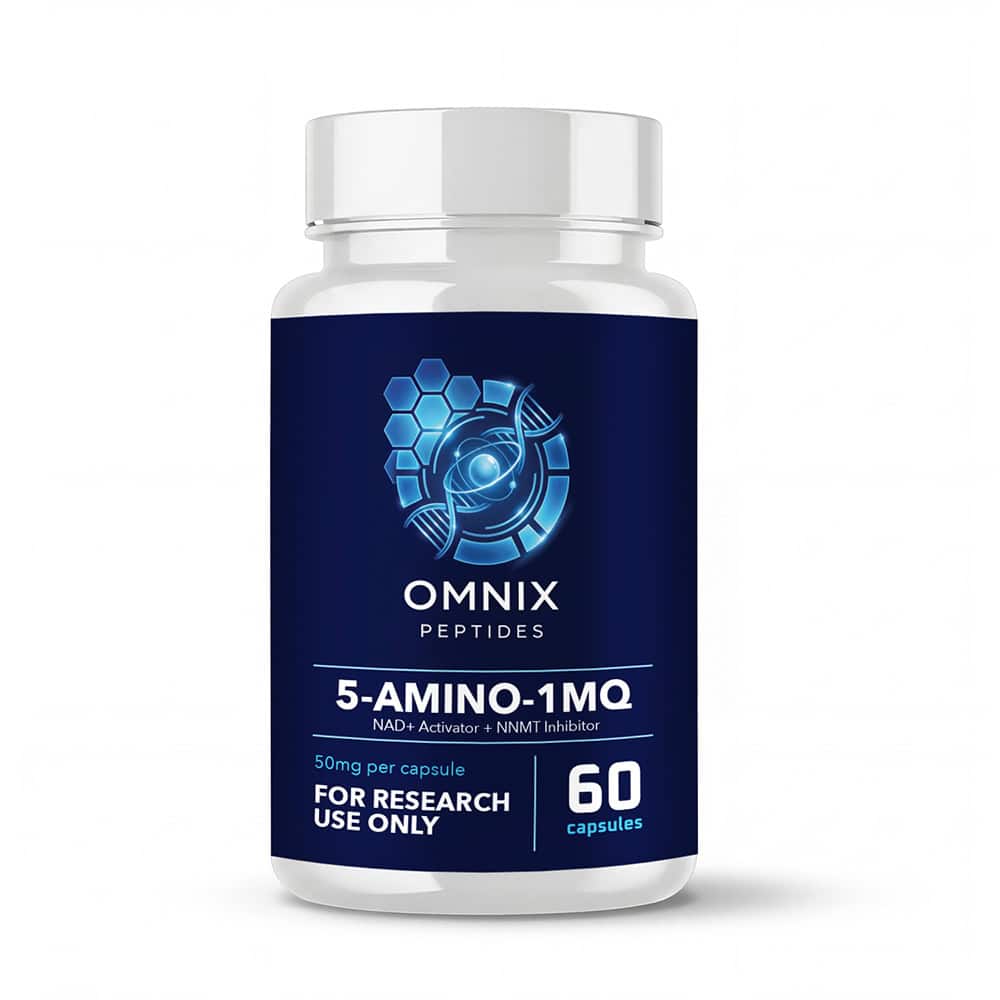
One user—mid-20s but close to the same age bracket—reported that after purchasing a 5-Amino-1MQ capsule labeled at 50 mg, she took it once daily for about 10–14 days while tracking timing. On the first days, she didn’t feel anything obvious. Around day 5, she noticed a mild change in how she felt during the day—described as more “steady” rather than “amped.” Her onset window was roughly within a few hours of taking it (not immediately), and she also noted that taking it consistently with the same meal schedule made her results more interpretable.
Importantly, she still described the effect as subtle, not a dramatic transformation. She also emphasized that her routine (sleep timing, caffeine intake, and stress level) was stable during that week, which makes a difference when you’re trying to judge how long it takes for 5-Amino-1MQ to kick in.
Negative case (when nothing noticeable happened)
Another case was more discouraging. A different buyer purchased 5-Amino-1MQ but experienced “no noticeable kick-in” for the first two weeks. The product was taken irregularly—skipped days, different times, and taken on both empty stomach and full stomach days. She also started a new skincare supplement around the same time, which muddied tolerability and interpretation. When she finally stopped everything else and took the 5-Amino-1MQ consistently at the same time daily, she still didn’t feel a meaningful change within her expected onset window.
In that negative experience, the product didn’t cause anything dramatic—she just didn’t get the kind of experience she wanted. The bigger lesson: if your expectation is “it must kick in fast,” inconsistent timing can turn a potentially subtle ingredient into a frustrating buy.
Cost mattered too. She paid around $30–$45 for a small bottle and assumed she’d know immediately. When you’re testing a specialty ingredient, consider budgeting for a trial where you track timing across at least 10–14 days rather than expecting instant clarity.
What Research Suggests and What It Doesn't
When people ask “is it proven” or “how long does 5-Amino-1MQ take to kick in,” they’re usually hoping for a clear, human-study-based timeline. The reality is that for many specialty peptides and research-style ingredients, the evidence base can be smaller than what consumers expect.
A cautious way to frame it is this: research can suggest plausible mechanisms (for example, how similar compounds behave in lab or preclinical contexts), but it often doesn’t translate into a reliable “you will feel X at Y hours” promise for every person. Even when some data exists, it may involve different doses, delivery methods, or controlled settings that don’t match over-the-counter consumer use.
What that means for you: treat timing as an individual variable. Many consumers report onset in the “hours” range for oral formats—sometimes earlier, sometimes later—and others report no obvious onset at all.
Risks are another evidence gap. If a product is not backed by robust human safety data, you should approach it carefully—especially if you have sensitivities, ongoing medical conditions, or you take medications that could interact with supplements.
Ingredients, Formats, and Quality Signals
When you’re trying to estimate how long 5-Amino-1MQ will kick in, format matters. Here are the common angles consumers see:
- Capsules (oral): Often the most common purchase option. Onset is typically not immediate; many users report a few hours as the rough “notice” range.
- Powder or other research forms: Less common for casual buyers. These may change how you dose and track timing, especially if you reconstitute or measure yourself.
- Pre-measured capsules (like 50 mg): Easier to keep dose consistent, which makes any “how long does it take to kick in” question easier to interpret.
Quality signals to look for are not glamorous, but they’re useful:
- Clear labeling: exact dose per unit (e.g., “50 mg per capsule”) and dosing instructions.
- Batch or lot traceability: the ability to match your bottle to a tested batch.
- Independent testing: third-party COAs (certificate of analysis), ideally with potency and purity discussion.
- Transparent ingredients list: the excipients in capsules should be listed (not hidden).
- No vague claims: avoid products that talk like they’re prescribing outcomes rather than selling an ingredient.
If you’re choosing between products and you only have time to check one thing, check whether the seller provides documentation that corresponds to the specific batch you bought. That’s the closest thing to “trust signals” for timing and consistency.
Timing Reality Check: Onset Expectations for 5-Amino-1MQ
Here’s a consumer-friendly way to think about the question “how long does 5-Amino-1MQ take to kick in?” for oral capsule formats. Reports commonly cluster around:
- Early notice: sometimes a few hours after taking it.
- Day-to-day shift: more noticeable patterns may appear after several days of consistent use.
- No obvious kick-in: also happens—especially when timing is inconsistent, sleep is unstable, or caffeine intake changes.
Because you’re asking for timing, it’s worth planning your “trial” around tolerability and tracking rather than waiting for a single moment where “it finally kicks in.”
Comparison of Common Options
Not all “5-Amino-1MQ options” are the same, even if the ingredient name looks identical. Here’s a practical comparison based on how consumers typically use different formats. Actual performance varies by brand and batch quality.
| Format | Typical Dose/Use | Pros | Cons | Cost | Best For |
|---|---|---|---|---|---|
| Capsules (e.g., 50 mg) | Once daily; track timing for 10–14 days | Easy dosing consistency; simpler to measure onset | Onset may be hours, not minutes; food effects vary | Often mid-range (example: $30–$45 for small bottles) | Beginners who want a routine |
| Capsules (varied strengths) | Start lower, titrate if tolerated | More flexibility; potential for gentler starts | Complexity can confuse timing comparisons | Varies by brand (example: $35–$60) | People who dislike “all at once” approaches |
| Powder (DIY measurement) | Measured daily; consistency depends on skill | Potential dosing flexibility | Harder to track exact dose; measurement errors can affect results | May be cheaper per mg but higher effort | Experienced users comfortable with measuring |
| Combination products (5-Amino-1MQ with add-ons) | Follow label; often daily | One purchase; sometimes targeted stacking | Confounds “how long does it kick in” because multiple actives | Often higher (example: $45–$80) | People okay with less clarity on timing |
| “Injector-style” or alternative delivery (if offered) | Only if you understand dosing and sterility requirements | May change onset profile vs oral | Higher risk from improper handling; not for most consumers | Varies widely | Not recommended for casual first-time buyers |
If your primary goal is to answer “how long does 5-Amino-1MQ kick in,” capsules from a reputable batch with clear labeling are usually the easiest place to start. They don’t make it guaranteed—they just make it measurable.
Buying Framework and Red Flags
Use this checklist before you buy anything labeled “5-Amino-1MQ,” especially if you care about timing and tolerability.
- Batch-specific testing: Do you see a COA or testing information that matches the lot you’re purchasing?
- Clear dose per unit: Can you find the mg amount per capsule (e.g., 50 mg) without hunting?
- Full ingredients list: Are excipients listed, or is it “proprietary blend”?
- Transparent directions: Is there a dosing schedule that explains how to take it (and how long to trial)?
- Reasonable claims: Does the marketing talk like a consumer product, or like a treatment?
- Customer support: Can you get answers about batch testing and storage?
- Price realism: Is it priced too low compared to similar, documented products?
Red flags that commonly correlate with disappointing “kick-in” experiences:
- Missing or generic lab results (no lot match).
- No clear dosing guidance.
- Marketing that implies guaranteed results or rapid onset without variation.
- Unclear capsule contents or lack of an ingredients list.
Common Mistakes and How to Avoid Them
- Chasing immediate onset: If you expect “instant,” you’ll misread subtle changes. Plan to evaluate over at least 10–14 days.
- Changing variables: Don’t change caffeine, sleep schedule, or meals while you’re trying to measure onset time.
- Inconsistent dosing time: Timing questions like “how long does 5-Amino-1MQ take to kick in” are impossible to answer if your start time changes daily.
- Combining too many new supplements: If you add other actives, you won’t know what’s driving any effect or any side effect.
- Skipping documentation checks: If you can’t find lot testing, you’re guessing. Guessing reduces your confidence in any “it worked for me” story.
- Ignoring tolerance: If you feel off (digestive upset, headaches, unusual discomfort), stop and reassess rather than pushing through.
FAQ
Is 5-Amino-1MQ proven to work, and is the onset claim reliable?
“Proven” depends on the quality and amount of human evidence available for the specific ingredient and dose. For many specialty research-style compounds, the evidence base is not always as strong as mainstream supplements. That’s why onset timing should be treated as a personal range rather than a guaranteed schedule.
How long does 5-Amino-1MQ take to kick in for women (capsule form)?
For oral capsule formats, many consumers describe noticing something within a few hours—though others report no obvious kick-in and only a day-to-day change after several days. If you’re testing it, evaluate over 10–14 days with consistent timing to get a more realistic answer for your body.
What side effects are common with 5-Amino-1MQ, and when should I stop?
Commonly reported issues with many oral supplements include mild digestive discomfort or headaches. Stop and reassess if you experience persistent symptoms, allergic-type reactions (like swelling or hives), or anything that feels unusual for you—especially if symptoms worsen with continued use.
Can I combine 5-Amino-1MQ with other supplements or caffeine?
People do combine ingredients, but it can confuse timing (“what kicked in when”) and may raise interaction risk depending on what you’re combining. For a first trial, keep it simple: avoid stacking multiple new products at once, and consider separating caffeine changes from your 5-Amino-1MQ trial.
Is 5-Amino-1MQ better oral vs injection/alternatives for onset time?
Oral products typically have delayed onset compared to faster-delivery methods, but injection-style approaches carry significantly higher handling and safety considerations. For most 18–24 consumers, the practical choice is an oral, accurately dosed capsule trial so you can interpret timing safely and clearly.
A Practical 2-Week Experiment Framework
If you want to learn how long 5-Amino-1MQ takes to kick in for you, run a simple, structured trial. The goal is not to “force” an effect—it’s to observe patterns with fewer variables.
- Day 1–2: Set baseline. Pick one consistent time to take it (for example, with the same meal each day). Track sleep duration, caffeine timing, and whether you felt any unusual sensations.
- Days 3–7: Track onset moments. Log your “first noticeable time” (if any) in hours after taking. If nothing happens, write “none” rather than guessing.
- Days 8–10: Look for day-to-day patterns. Notice whether changes feel consistent or random. If effects appear only on certain days, it may be meal or sleep related.
- Days 11–14: Decide your next move. If you feel nothing meaningful and tolerability is fine, consider whether your expectations match the subtle nature of the ingredient. If you have side effects, stop and reassess.
If you’re paying around $30–$45 for a small bottle, this structure helps you avoid the classic mistake: judging too early and repeating the purchase cycle without real data.
About the Author
Jordan Ellis is a consumer product reviewer focused on women’s wellness routines and supplement “timing literacy.” For the past 4 years, Jordan has written practical, evidence-aware reviews that emphasize labeling, batch testing transparency, and realistic onset expectations—especially when products are marketed around subtle effects rather than guaranteed outcomes. Jordan’s disclaimer: this article is for informational purposes and reflects consumer-style observations, not medical advice. If you’re pregnant, nursing, have a medical condition, or take medications, consult a qualified clinician before using any specialty ingredient. Nothing here should be used to treat, cure, or prevent disease.
Discussion